
FROM LIVERPOOL TO THE US: HOW LIVERPOOL HIP HOP FEST CREATED A SPACE FOR TRANSATLANTIC COLLABORATION
Words & Photos by Oscar H. Photos / @oscarhphotos
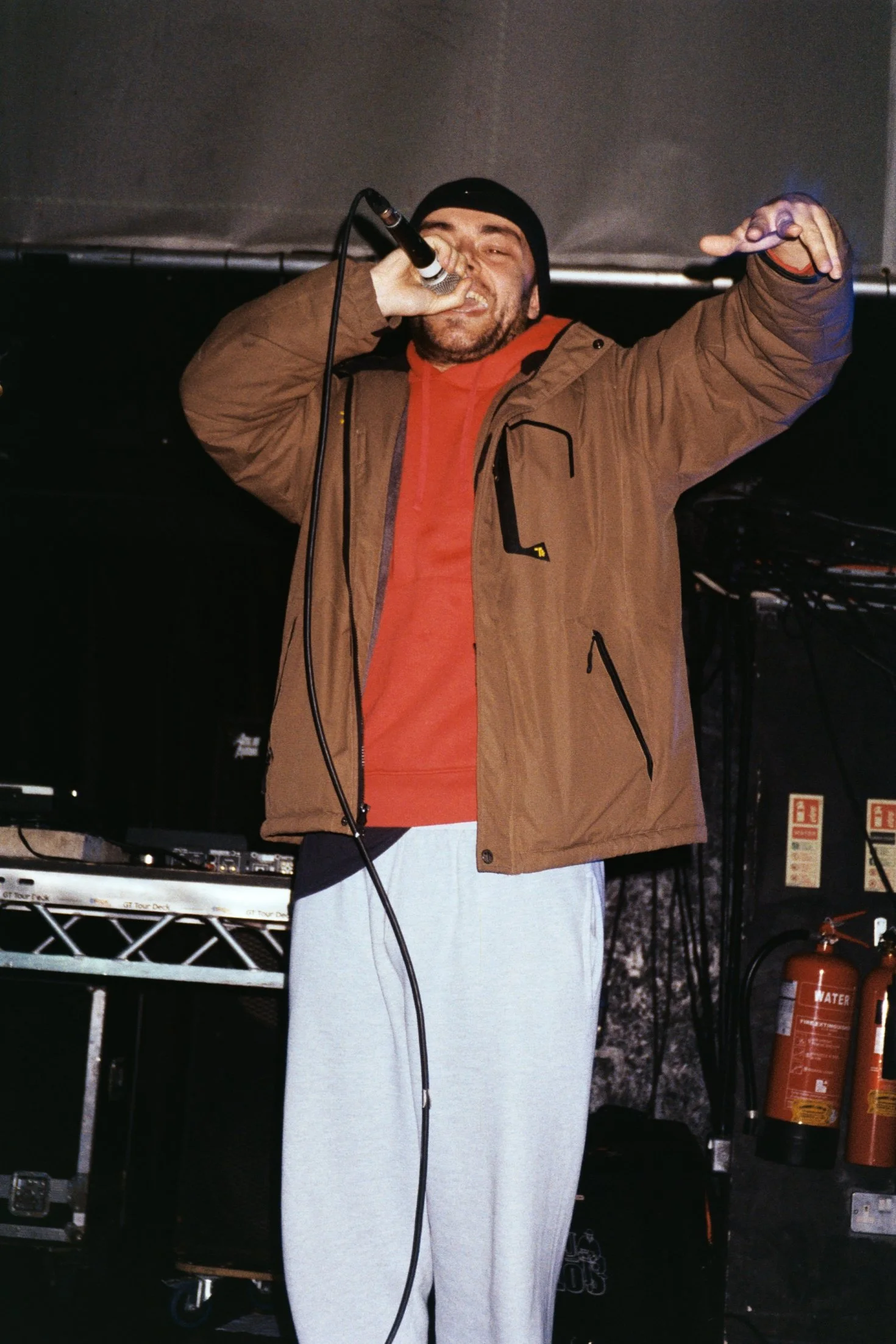
Liverpool rapper Prefects at the Liverpool Hip Hop Fest cypher at District.
On 27th November 2025, I had the privilege of showcasing Hazy Magazine at Liverpool Hip Hop Fest’s event at District Liverpool, in the heart of the Baltic Triangle. The event celebrated Hip Hop History month, bringing together a variety of hip hop artists varying from Liverpool across the Atlantic to the USA, with rappers such as Ras Kass, Illah Ghee and Antlive making an appearance in the city.
Hosted by Nikki Blaze and Tony Broke, who was a member of infamous rap group Cult of the Damned, the event created a shared platform for collaboration between rappers from the USA and from the local area, allowing space for artists participating to build connections with each other. Nikki Blaze and Tony Broke have ran several events with Liverpool Hip Hop Fest in the city, and provide studio spaces in Toxteth TV for local artists to record and showcase their talent.
Many local upcoming artists who record at Toxteth TV were invited to participate in the event, providing them a chance to demonstrate their talent to some of the US rappers, some of whom had witnessed the early days of Hip Hop as it began to flourish in the 70s/80s.
The stage was graced by a selection of Liverpool rappers, including the likes of Nattyhead, Prefects, Dr Lektand many others who are currently making noise in the city’s underground rap scene. The Liverpool rappers showcased their lyrical talent and ability to collaborate through cyphers during the night. The audience witnessed a blend of old-school Hip Hop instrumentals and bars from some of the many lyrically gifted artists of Liverpool.
I took part in the event selling copies of the five print issues of Hazy Magazine, alongside some new Hazy Magazine t-shirts, which was a success. It allowed an opportunity to showcase the magazine to the musical talent at the event, and to document the event through film photography.
District was the perfect venue for this event, boasting a main stage for the cyphers to take place, as well as an outdoor area for a DJ to perform, pumping sound through the Baltic Triangle with a huge set of speakers.
While showcasing the magazine, I photographed a few of the rappers taking part in the event, including Illah Ghee. who had come over from Brooklyn, New York, and was both performing and selling some copies of his albums on vinyl. I also photographed Glitch Kid, who had made an appearance in Nattyhead’s performance at the Hazy Magazine Issue #5 launch party a few weeks earlier. The pair had collaborated together on some of Nattyhead and Jay Dusty’s recent project Dusty Dreads.
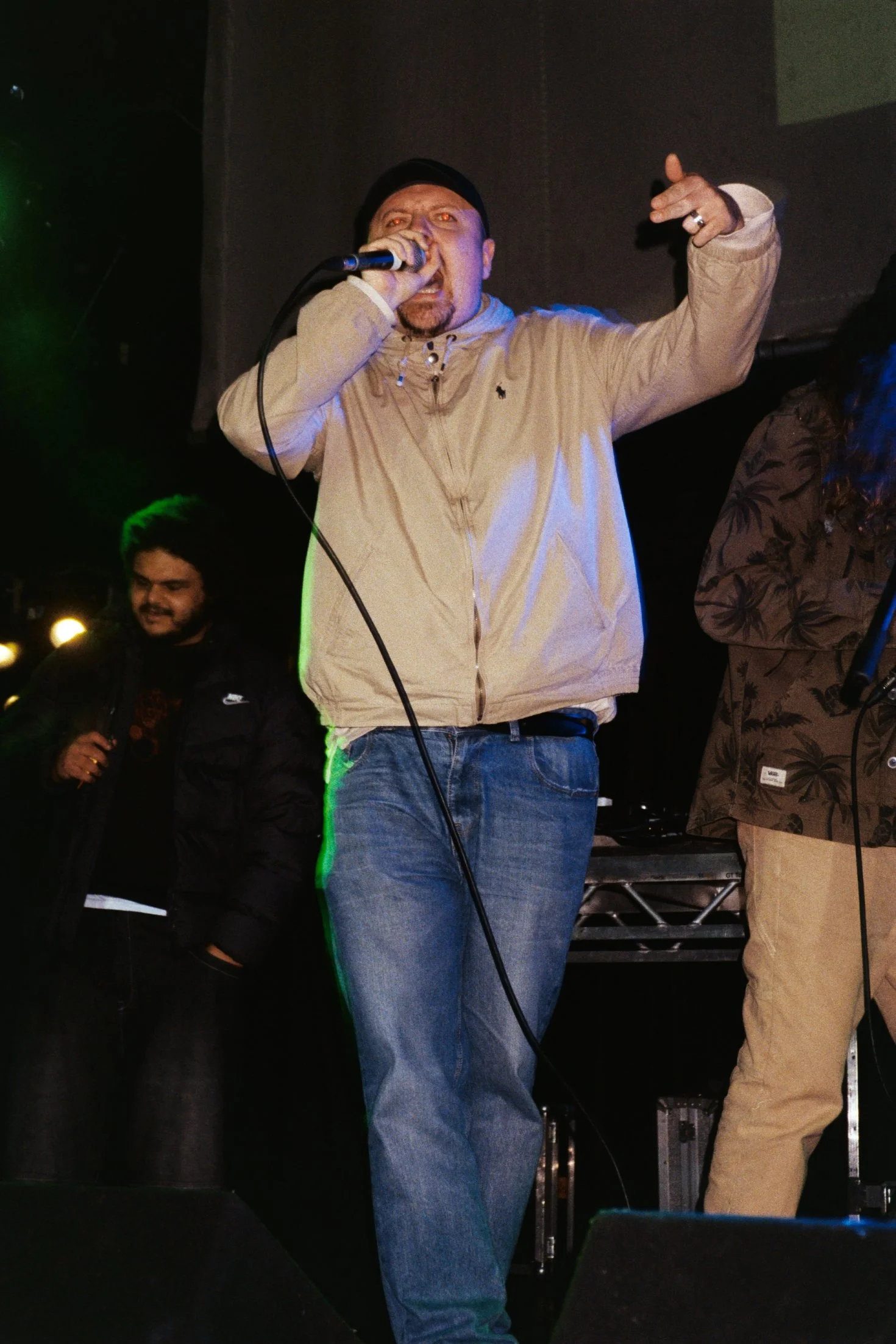
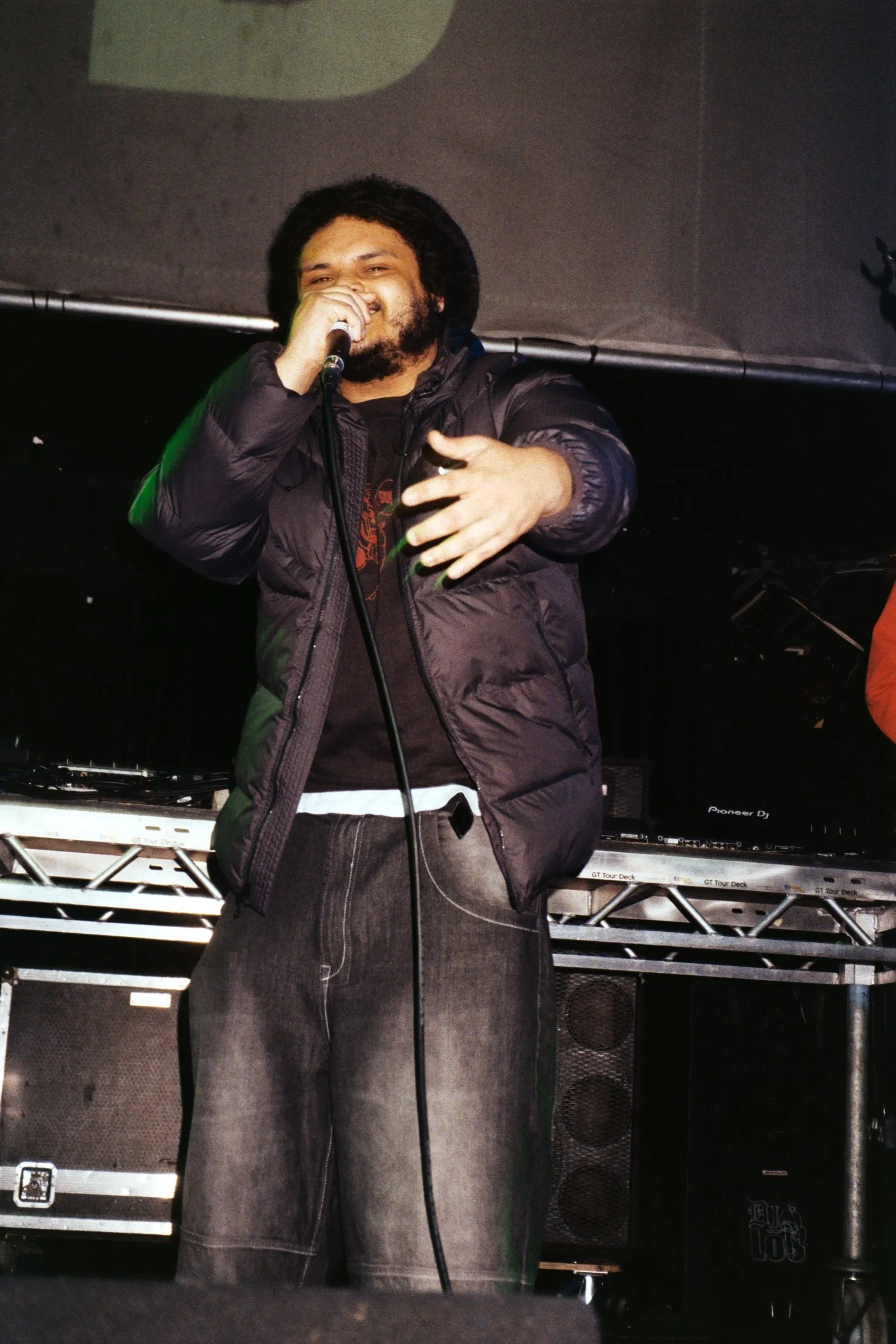
From left to right: Nattyhead, Illah Ghee and Dr Lekta.
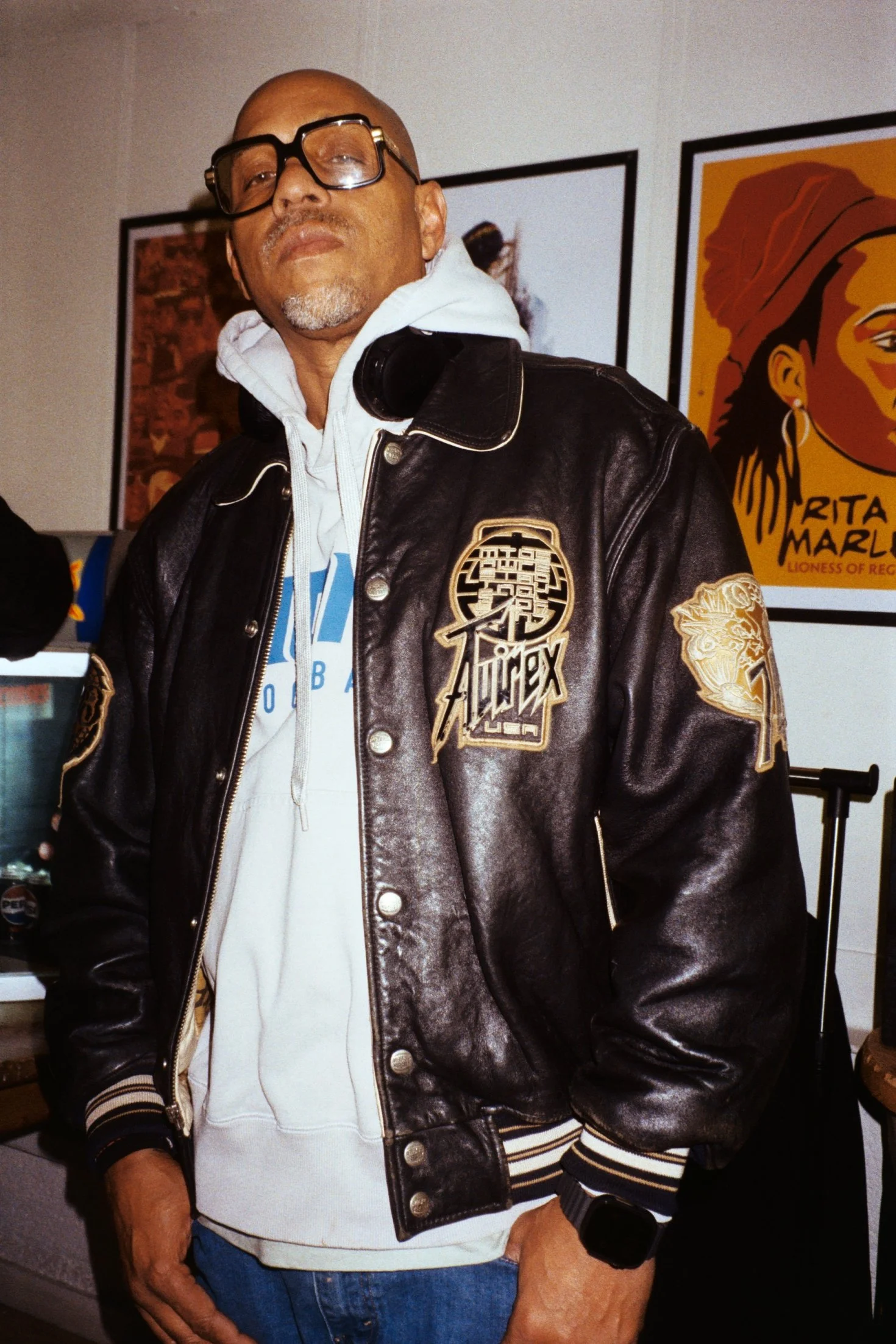
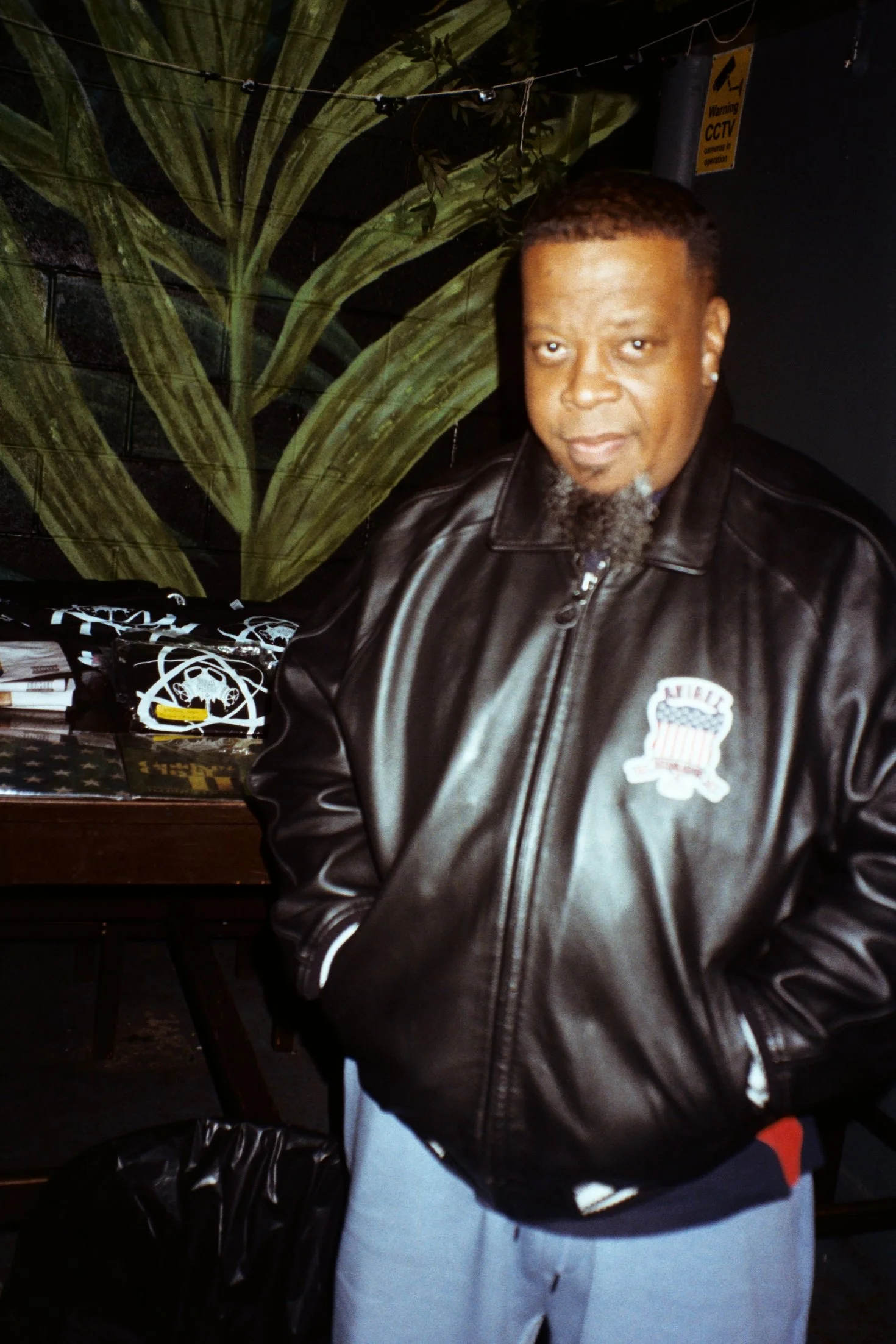
Antlive in the green room at District.
“When I started coming out to the UK in 2011/2012, and saw people from different cultures doing the same thing I was doing, it made me realise Hip Hop really was an ‘us’ thing - a ‘human’ thing.”
-Antlive
After a few beers, it was getting to the end of the night. Around 1am, I sat down with fellow journalist Will Monham and Detroit rapper Antlive in the green room upstairs at District to talk Hip Hop, its early beginnings, the unity it creates across the globe, and how he came up through Hip Hop as the scene was beginning to flourish.
Having produced for rappers such as Ghostface Killah, as well as touring with Mobb Deep, Ras Kass, DJ Lotion and The Alkaholics, Antlive has seen the peaks of Hip Hop across the world.
Antlive spoke about how he remembered when he first discovered Hip Hop at the age of ten, around the time when Hip Hop was becoming increasingly popular.
Antlive reminisced over these early days - “I remember in 1980 when I was 10, I heard Rappers Delight by Sugarhill Gang, and it was the most inspirational thing I ever heard at that time.”
Antlive described this musical inspiration he carried from an early age, and he acknowledged how it was in fact partially the most famous band to come out of Liverpool who inspired him to follow a path in music.
“I was an avid Beatles and Rolling Stones fan. We had a lot of old town records – soul, R&B. My mother was in love with the Beatles. I remember her telling me they were coming to the Tigers Stadium to perform.”
Antlive began to experiment with music at a young age, playing bass and keys, before forming a full hip-hop group with his friends in 1985.
Coming from Detroit, Michigan, Antlive spoke of the difficulties of growing up in a city where there wasn't as much of a spotlight for Hip Hop in its early days. Of course, this changed down the line with the likes of Hip Hop artists representing Detroit, such as Eminem, Royce da 5’9”, J Dilla and Slum Village, just to name a few.
Antlive explained these earlier struggles to us:
“Detroit wasn’t New York, so we were behind in the Hip Hop scene. We were doing a few events here and there, but there wasn’t a scene as big New York’s. People were trying to find their own way to grow within the city. It was hard, but I knew it was the right path for me. I knew what I had to eventually do was to find my way to New York City. I went there in 1992, and ended up getting a record deal. I felt like I had to leave Detroit at the time to get a platform by going to New York and getting a record deal.”
Considering how much of a global phenomenon Hip Hop has become, with rappers representing their areas across the world, it was interesting to hear Antlive speak about how certain cities were not getting the representation they deserved.
As the event celebrated Hip Hop Month, we decided to move on to the topic of Hip Hop’s influence across the world. Antlive expressed his feelings about Hip Hop, saying he believed it was a “grass-roots genre that comes from the soul.”
“When I started coming out to the UK in 2011/2012, and saw people from different cultures doing the same thing I was doing, it made me realise Hip Hop really was an ‘us’ thing - a ‘human’ thing. Hip Hop is that bridge that brings us all together, because you’re able to tell your story, describe your life, what you think about life and your feelings. You can’t do that with every genre.”
We spoke about the importance of acknowledging the pioneers of Hip Hop, and how Hip Hop may evolve in the future. With the milestone of its 50th anniversary having been two years prior to the event, many debate on how Hip Hop has both changed and evolved since DJ Kool Herc and Cindy Campbell hosted the legendary block party in the Bronx.
Antlive expressed enthusiasm for the future of Hip Hop, acknowledging that as long as people acknowledge its roots as it changes and spreads across the world, it can continue to unify people globally:
“I’ve seen things come and go, I’ve seen things in Hip Hop fade out. The people who were there in Hip Hop’s early stages were so important at the time, motivating us by showing the path could be done. However, the genre does fade and change.”
“That’s why it’s important we keep celebrating guys like Ras Kass, Illah Ghee, MF911, myself, and different guys from around the world. It’s important because the art of Hip Hop is here to stay.”
“Music and genres fade in their relevancy at some point in time, but Hip Hop has never faded in its relevancy. I was touring Rome last month, and was meeting different rappers from different countries around the world, rapping in many different languages. I could hear the articulation in their voices. Even though I didn’t understand every word some of them were saying, I knew their bars were definitive and meaningful.”
“That’s what Hip Hop is – it’s definitive as a statement about us and our lives. You gotta hear us, because we right there in your fucking face!”
Keep an eye out for future events from Liverpool Hip Hop Fest to discover upcoming talent from the city, and future collaborative events with US pioneers of Hip Hop. Big up Nikki Blaze and Tony Broke for inviting me down, and to Antlive for the interview.