TRAIN GRAFFITI IN EUROPE
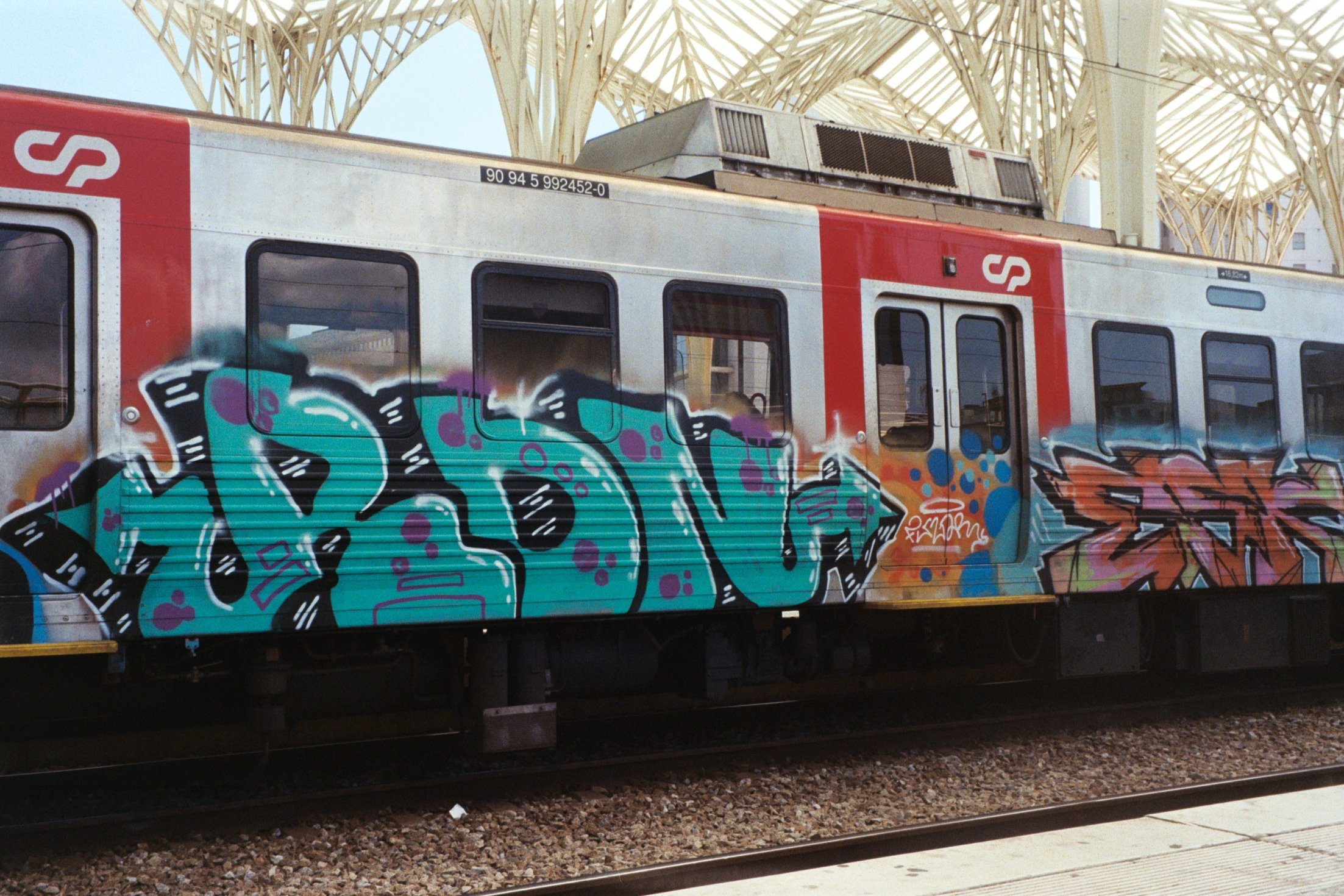
Graffiti is one of the most real art forms we see in contemporary society. Not only does it require skill, attention to detail and a practiced calligraphy with a spray can, but it also carries with it risk, adrenaline and the buzz from painting someone that the law doesn't allow.
Emerging originally alongside hip-hop in New York, predominantly during the 1970s and into the 1980s. Photographers such as Martha Cooper, who took many of the photographs for the publication Subway Art, The graffiti movement crossed the Atlantic during this time, and took Europe by storm, causing trains to become urban canvases for writers eager to get up and represent their city.
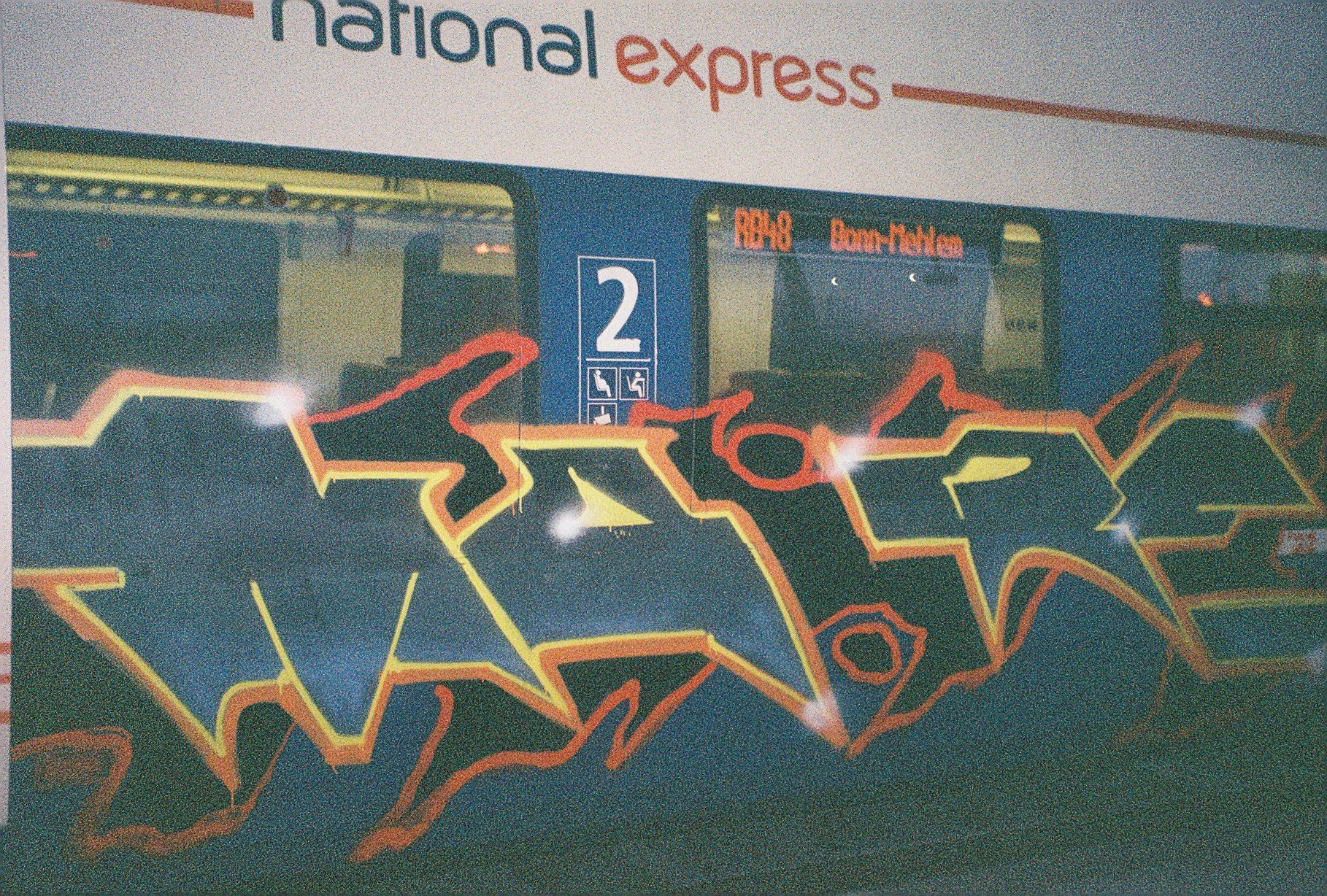
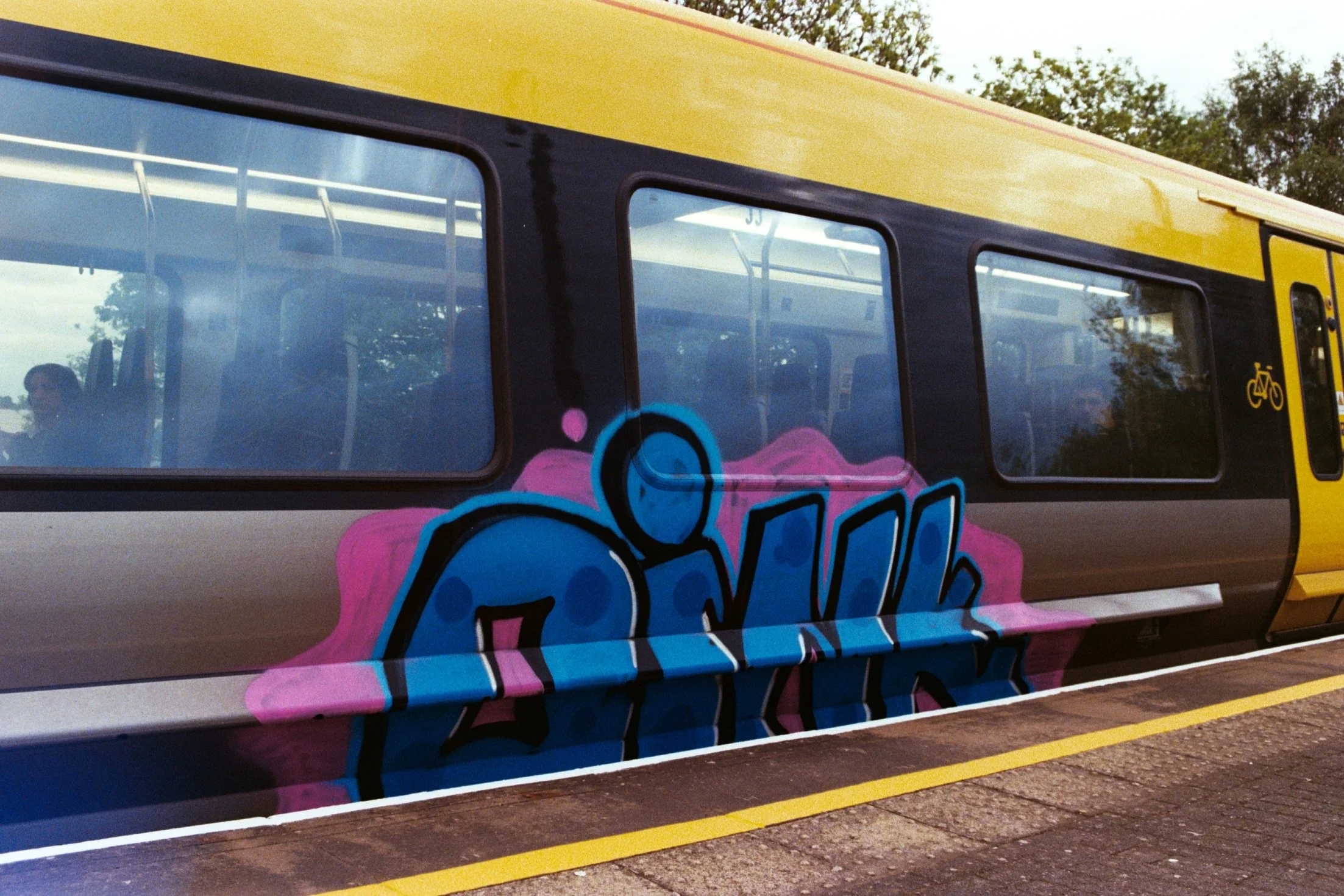
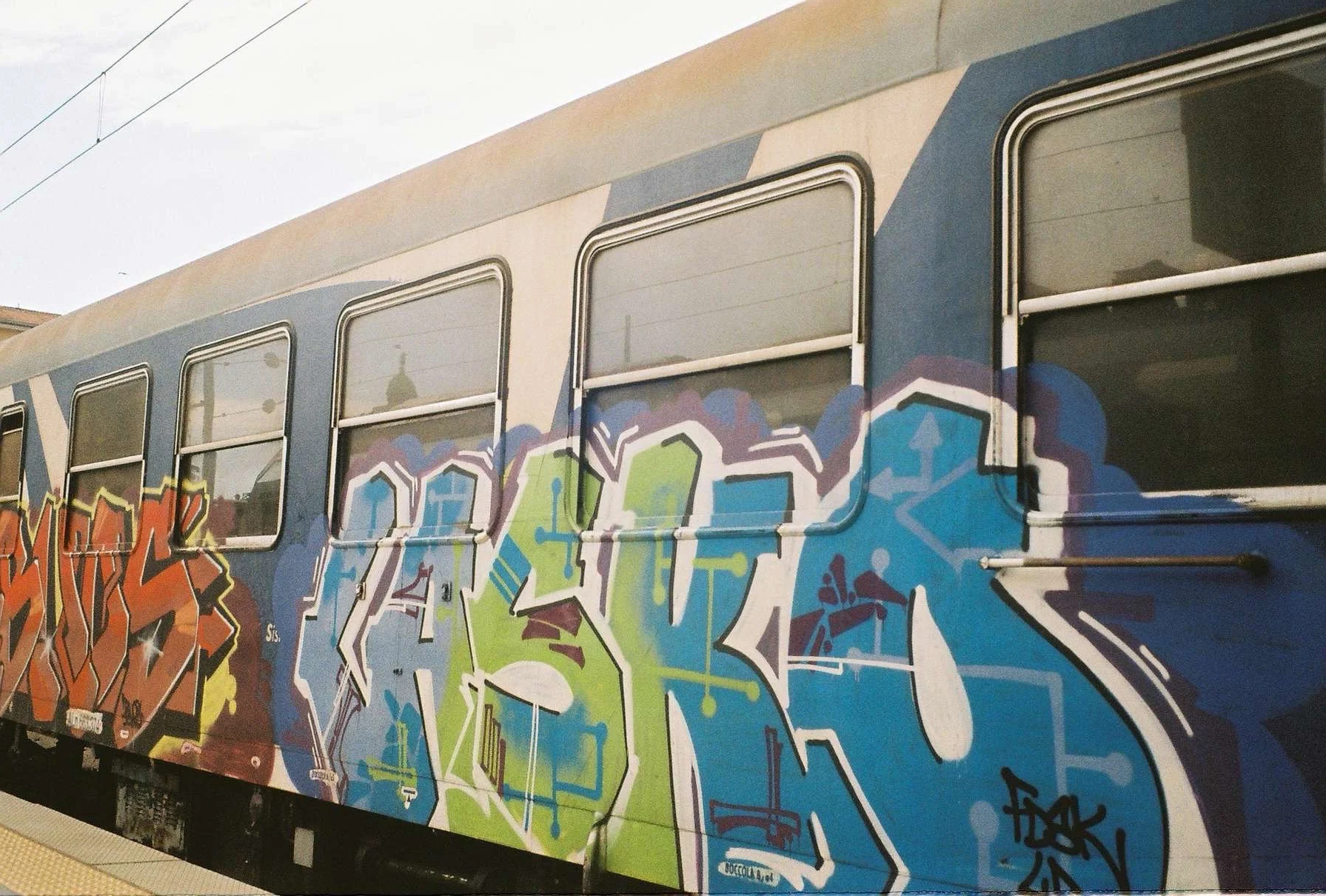
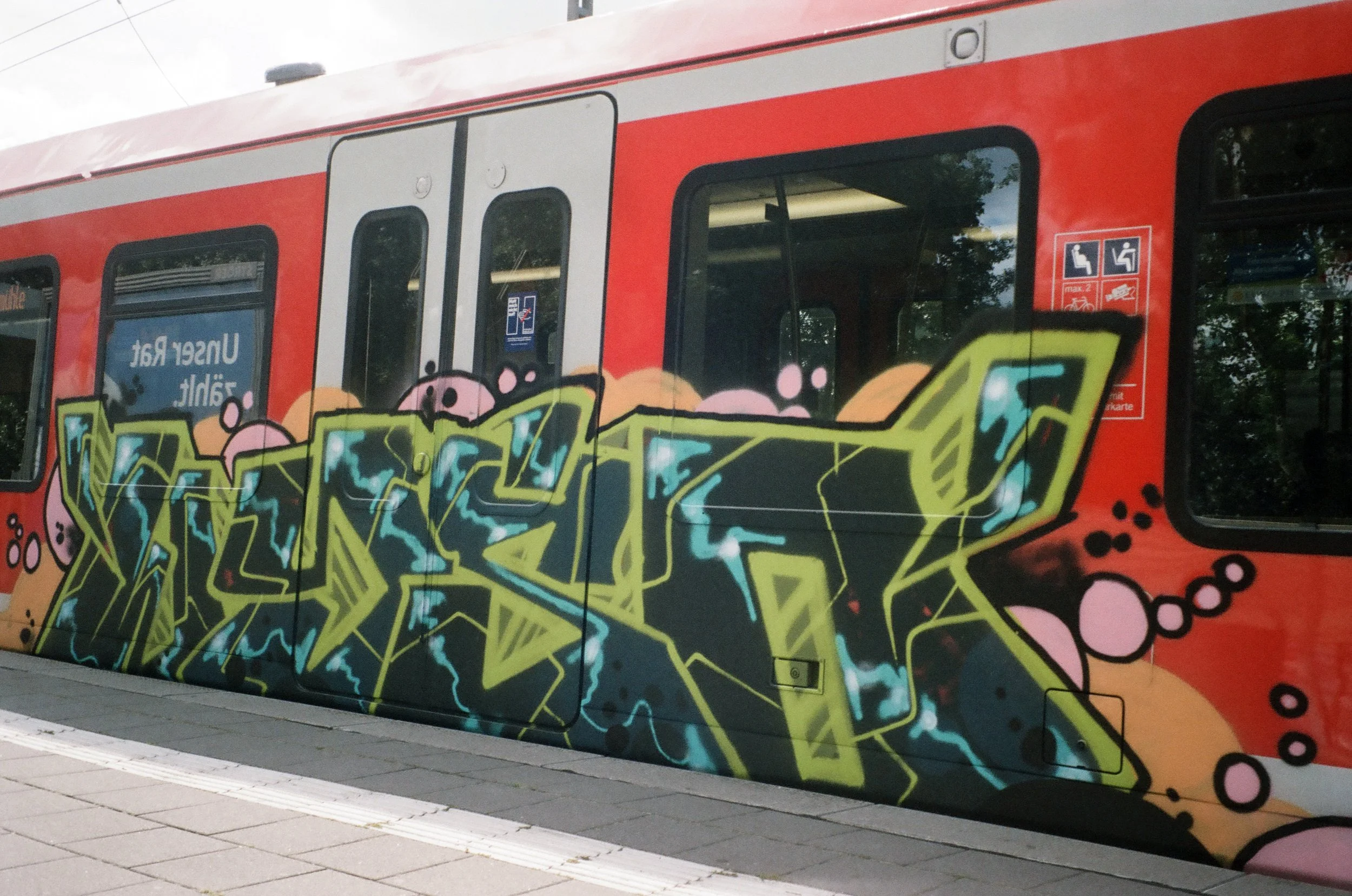
Following the emergent of graffiti on trains, the move spread to Europe, influencing upcoming writers in European cities. Today, within a modern railway system, this old school art form still crops up, with carriages painted with graffiti known as 'panels'.
Panels are more common in certain countries. It purely depends on how active the scene is, or how easy it is to paint the different railway systems in the country. Graffiti writers take risks towards painting trains, but it is worth the reward for them. Seeing your tag cruise through the city and further afield, knowing other writers will see the mobile artwork travelling across the network, gives you a feelig of credibility in the scene. Therefore, trains are utilised as mobile canvases to gain exposure in this way and make your tag known and seen.
Consequently, trains are regarded as one of the best forms of exposure for writers. There are various rail networks and metro systems around the world that are regarded as bigger achievements than others to paint.
Style varies from city to city across Europe, with lettering, outlines, fills, colours and tags being distinct in their own ways. Writers will travel across Europe to different cities, bringing in their own style and variation to different scenes and rail systems, diversifying the urban canvas and sometimes linking uo with other crews to paint trains. It comes down to not only being able to paint a good piece, but having extensive knowledge of spots to paint, when the security aren't around and most importantly, where you need to exit after finishing those outlines.
Despite panels getting much more exposure through social media, the scene and graffiti culture remains very much underground, which is true to its original movement.
It continues to develop in its own ways, country to country, metro to metro, train to train. The old school art form can often brighten up the clinical, plastic feel modern trains have, keeping up a degree of rawness and personality to add to the colourful urban canvas trains are integrated into.
Painting trains isn't just about the finished panel. It's about the meticulous planning on getting to the painting spot, researching the yard and when the trains will pull up for the perfect moment. It's a lifestyle for many, which brings people together who don't speak the same language, creating both friendships and rivalries, all of which make the culture what it is. The graffiti scene is not only about the writers, it's about the people who document it. From the very first people to do so, such as Martha Cooper, to modern day social media pages such as UK Frontline and Alex Ellison.
In an age where people are becoming disconnected through social media, painting trains and the graffiti scene in general is still one of the very few natural creative practices which revolves highly around engaging in person, creating something physical with substance that will last.