
DOCUMENTING THE FABRIC OF LONDON: AN INTERVIEW WITH TONASH
WRITTEN BY OSCAR H. PHOTOS
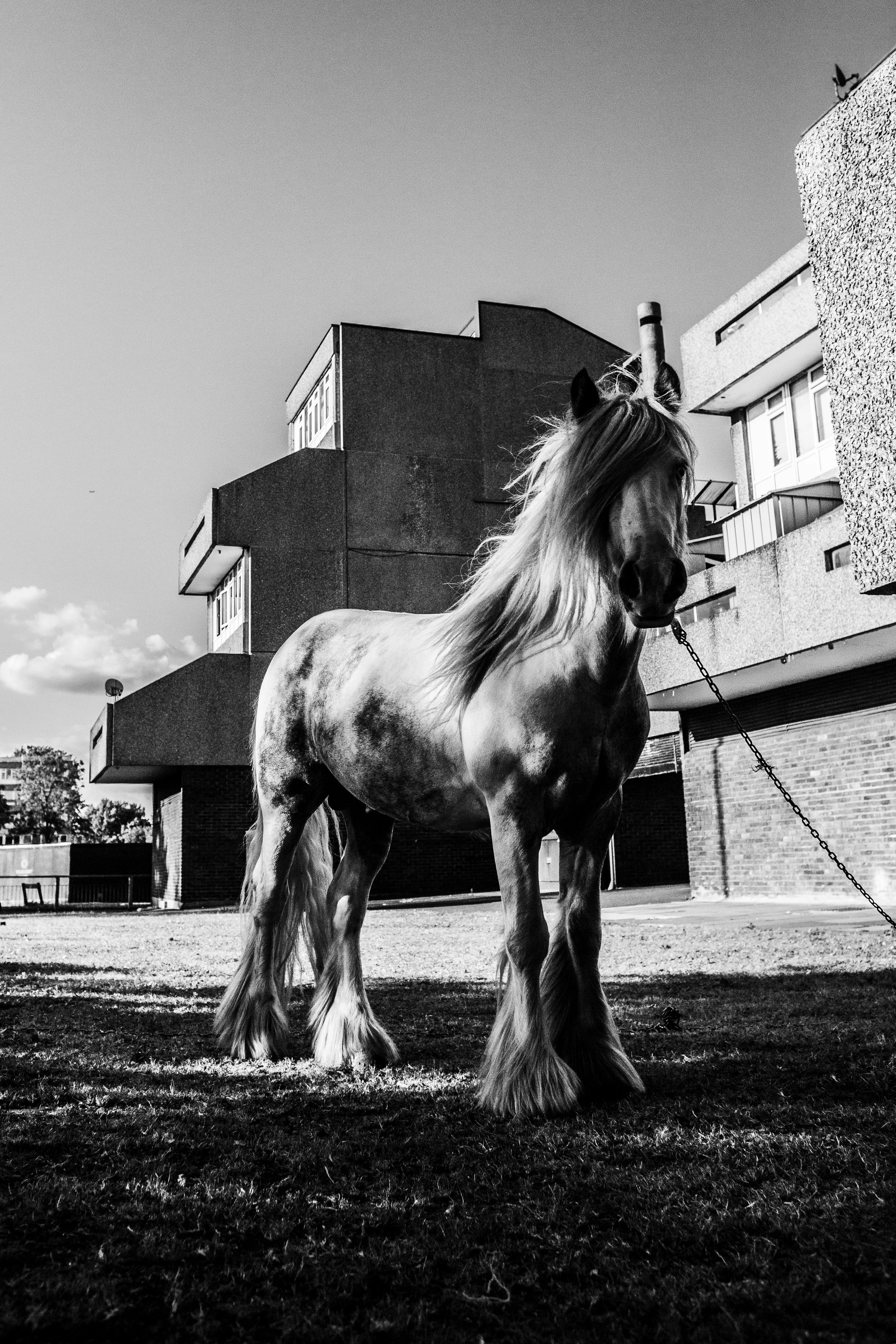
London is in a constant state of change, with its complex infrastructure home to many communities, estates and tube networks. Many areas are becoming rapidly gentrified, changing communities that have lived in those areas for decades and causing prices to rise, pushing local communities out and changing the dynamic of London as a city.
Toby Goodyear, otherwise known as Tonash, utilises his camera to document London’s web of buildings, communities, infrastructure and energy. Seeking to visually showcase London’s side away from the Houses of Parliament and the London Eye, Tonash instead draws us into London’s suburbs, estates, tube stations and the underbelly of England’s capital.
Through choosing to showcase his photography purely through a black and white filter, Tonash draws the viewers attention less to the vibrancy of the capital, but more to its infrastructure and makeup, signifying the importance of each corner of the city and offering people a glimpse into the history of its architecture and network of roads, buildings and tube lines.
HAZY: Tell me a bit about yourself. Where are you from/based, which creative practice do you specialise in?
TONASH: I have been based in SW London for last 15 years now. I have been very lucky to get a job in the creative industry working on camera on live action and stop motion commercials, music videos etc.
I mostly shoot photos in my spare time - I enjoy the freedom of cycling around taking pictures, as it keeps me busy when I’m not working.
HAZY: What draws you to shooting the urban infrastructure of London?
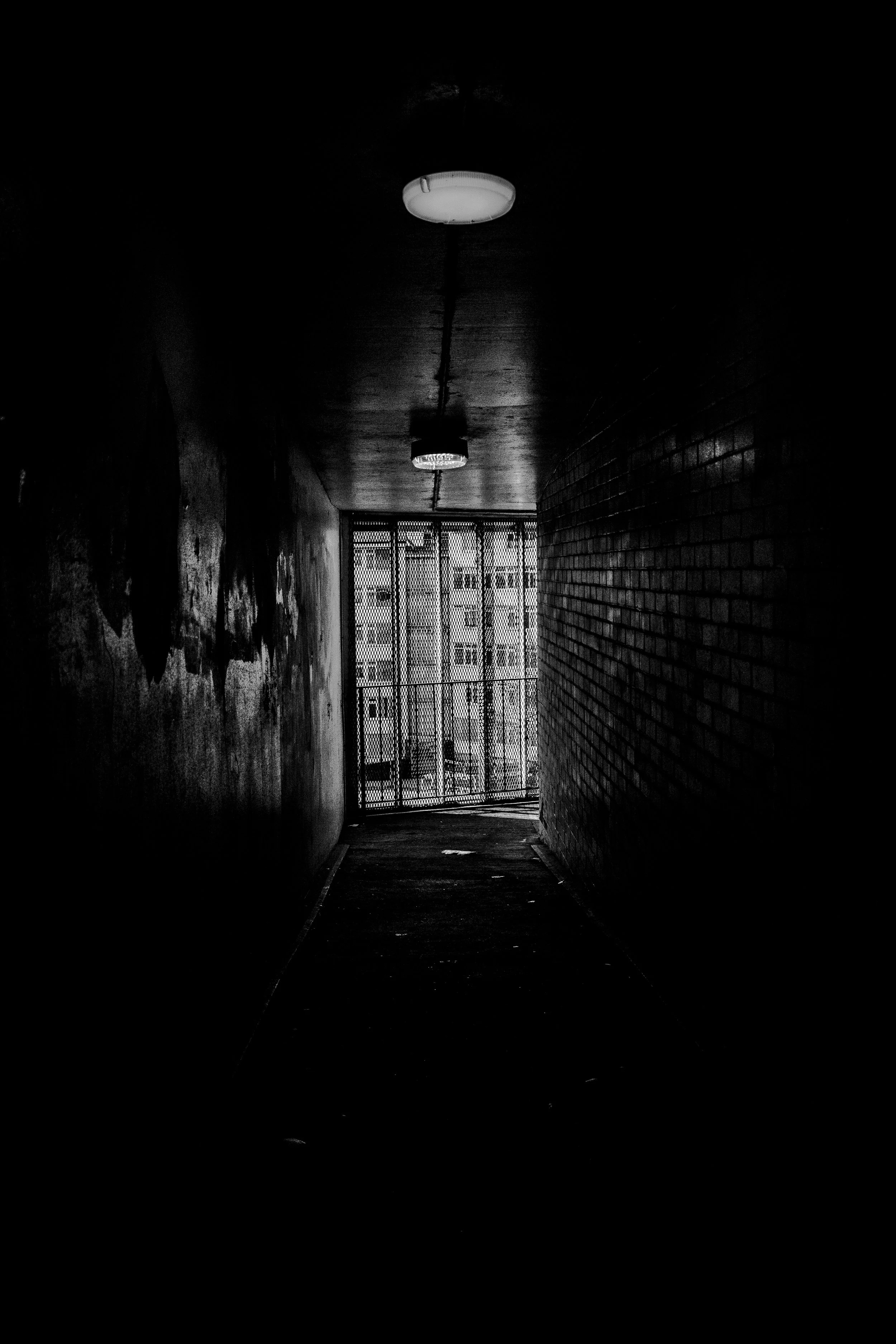
TONASH: To be honest, I have always been fascinated with the different styles of blocks and estates. Spending so many years cycling around the city, you become familiar with all the different estates. I’ve always been drawn to them for some unknown reason. I have spent many years exploring to try and find unique stuff to photograph, from different styles of walkway, stairwells, old CCTV cameras, signs, views of the city and so on.
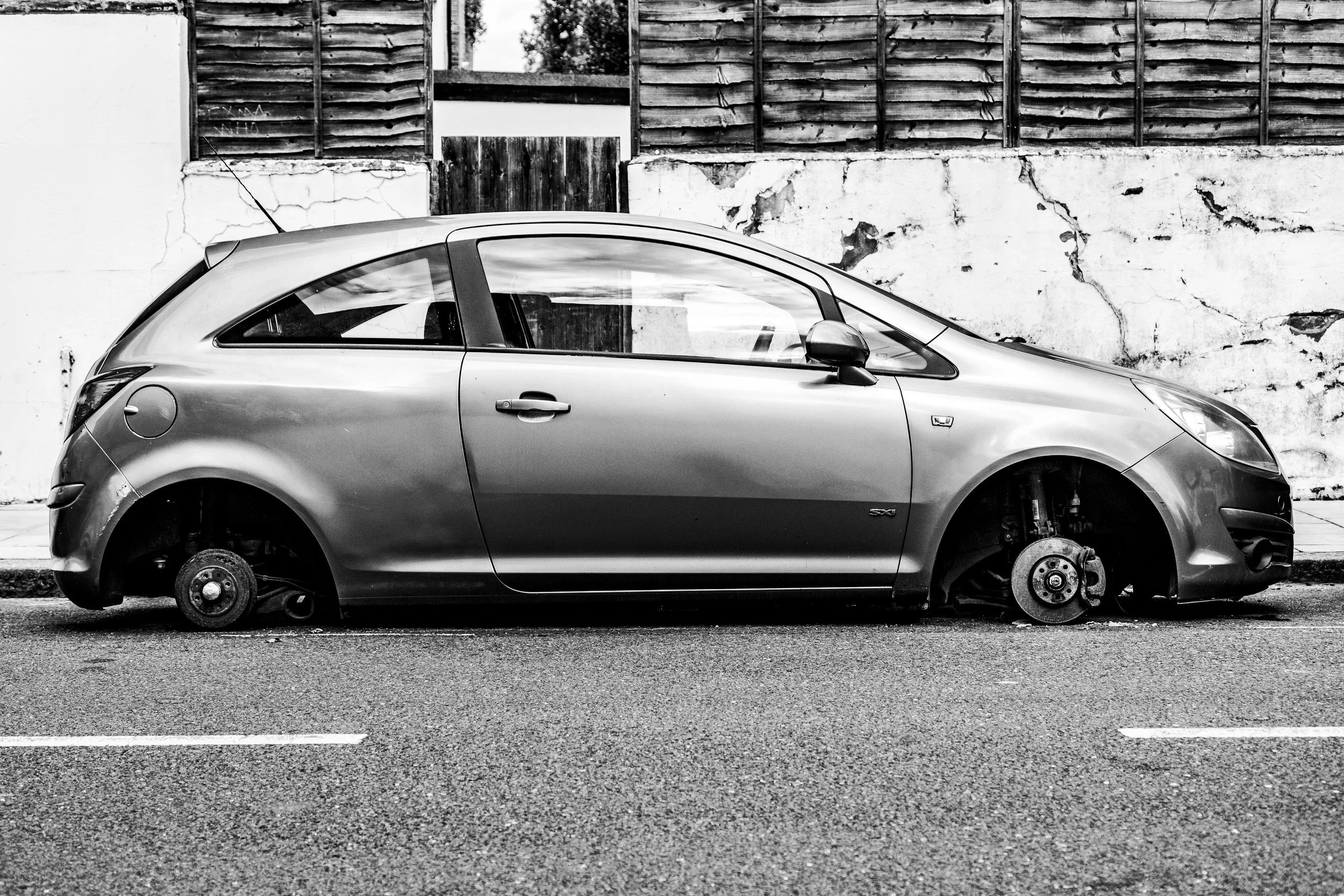
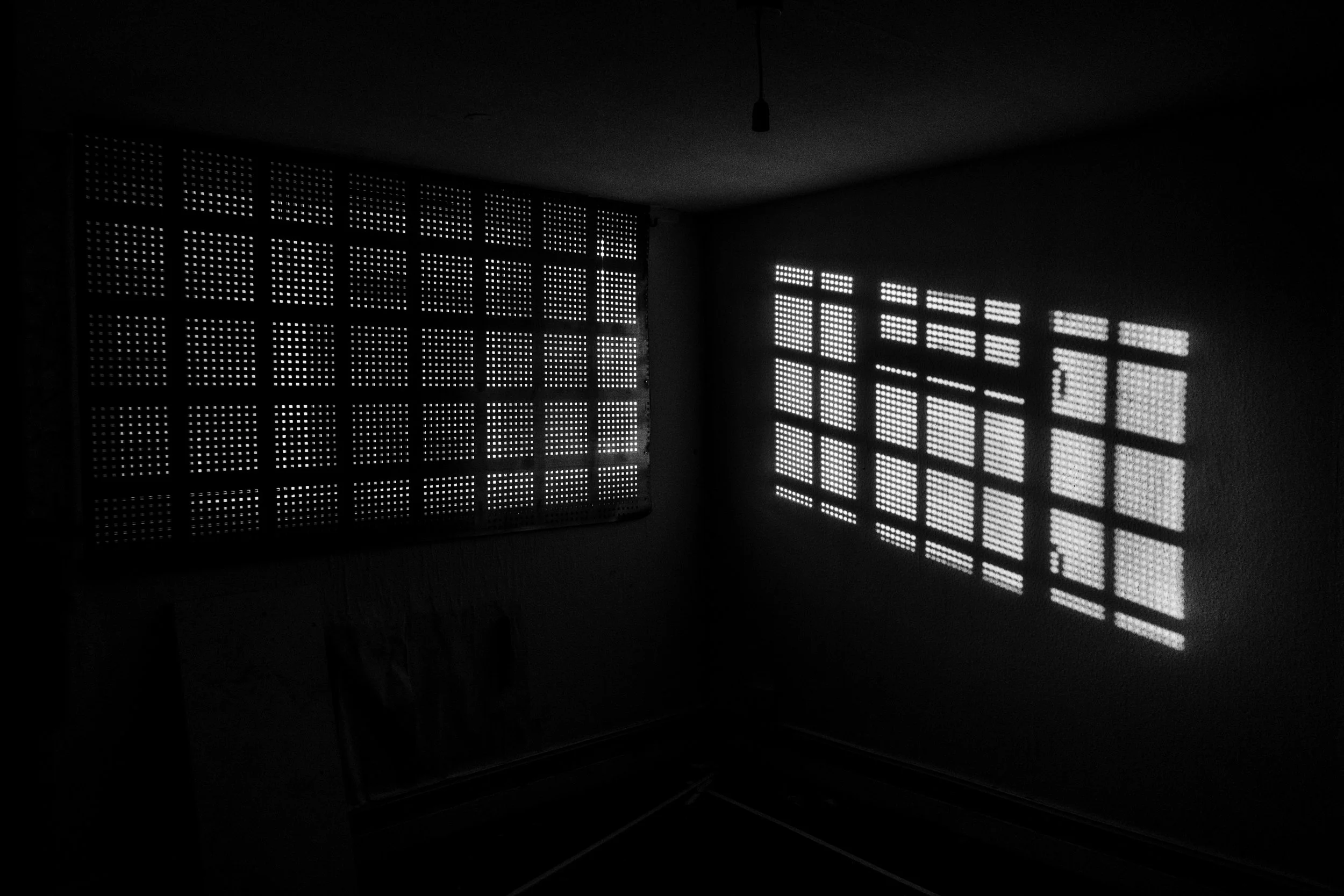
HAZY: Do you seek to represent a London away from the landmarks and city centre - and if so, why?
TONASH: I am mostly drawn to the old 1970/80's style tower blocks, but at the same time, I really enjoy shooting views of the city, Canary Wharf, the London Underground etc.
It’s sad, because most of the old interesting stuff is disappearing quicker than ever at the moment and being replaced with absolute soulless rubbish. They will never build that style of housing again, and it’s erasing all of the history and community in the city.
It has been going on for years and years, way before my time, but it really feels like they are on a mission to regenerate faster than ever at the moment. So it feels like a good point to try capture and document as much as possible.
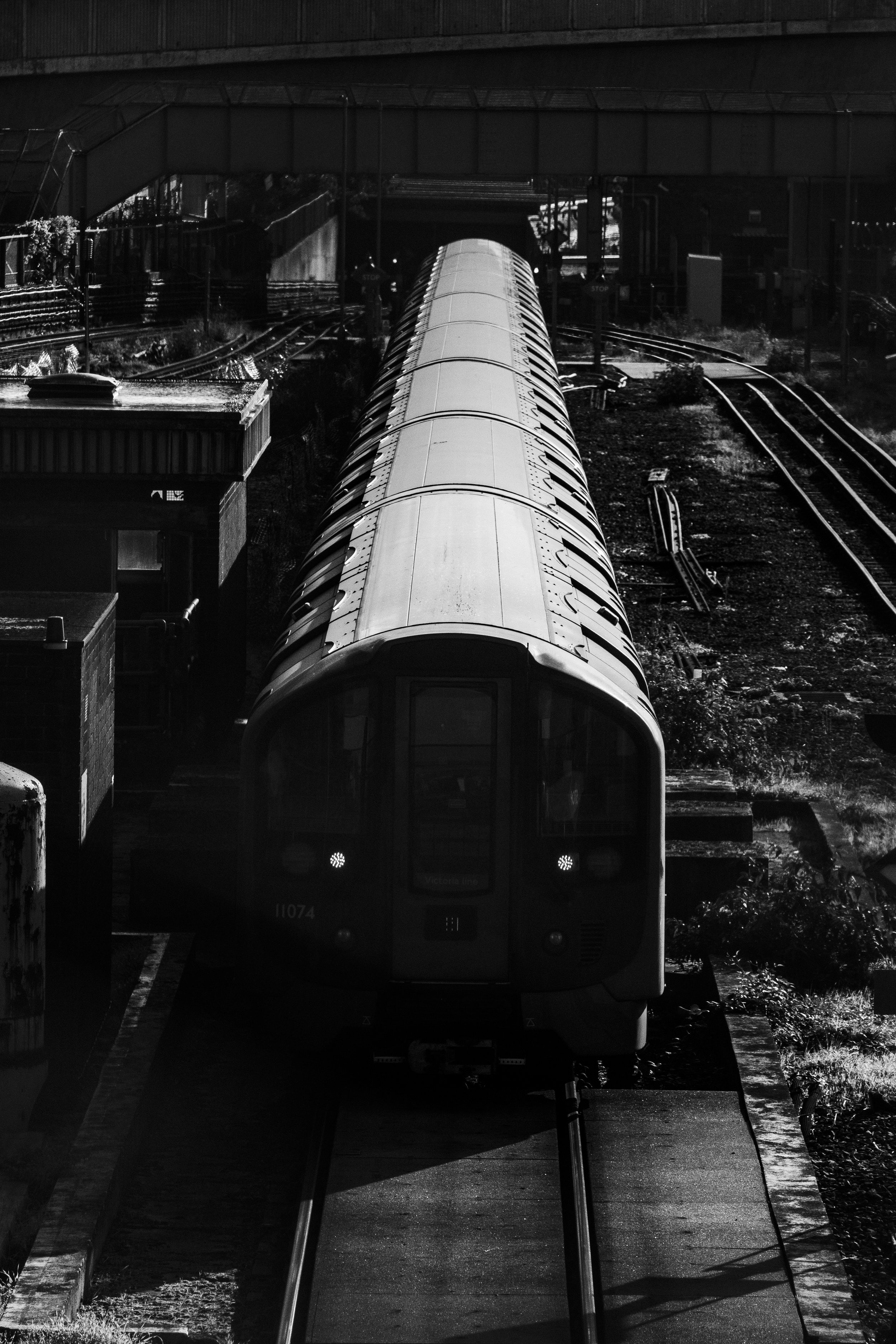
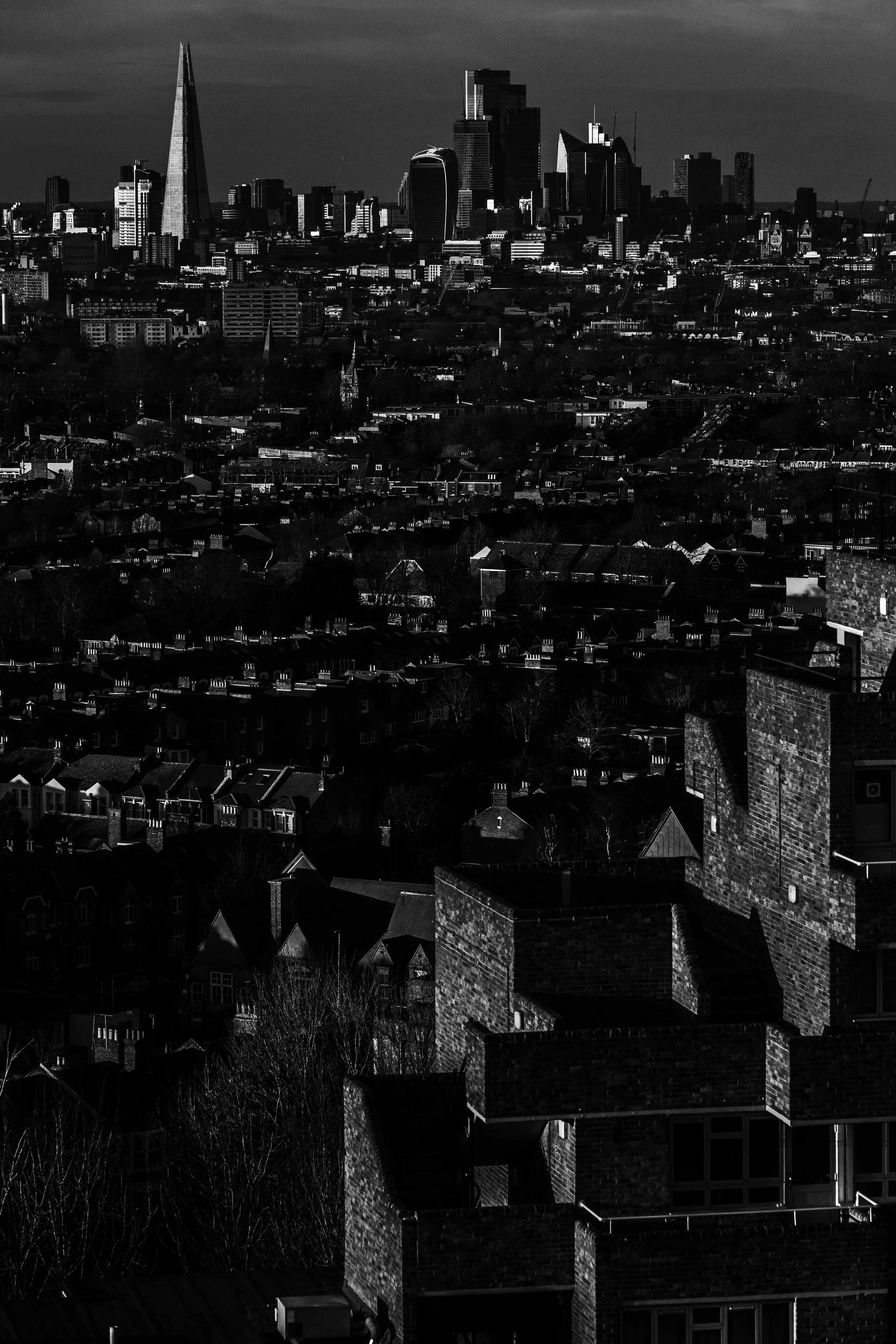
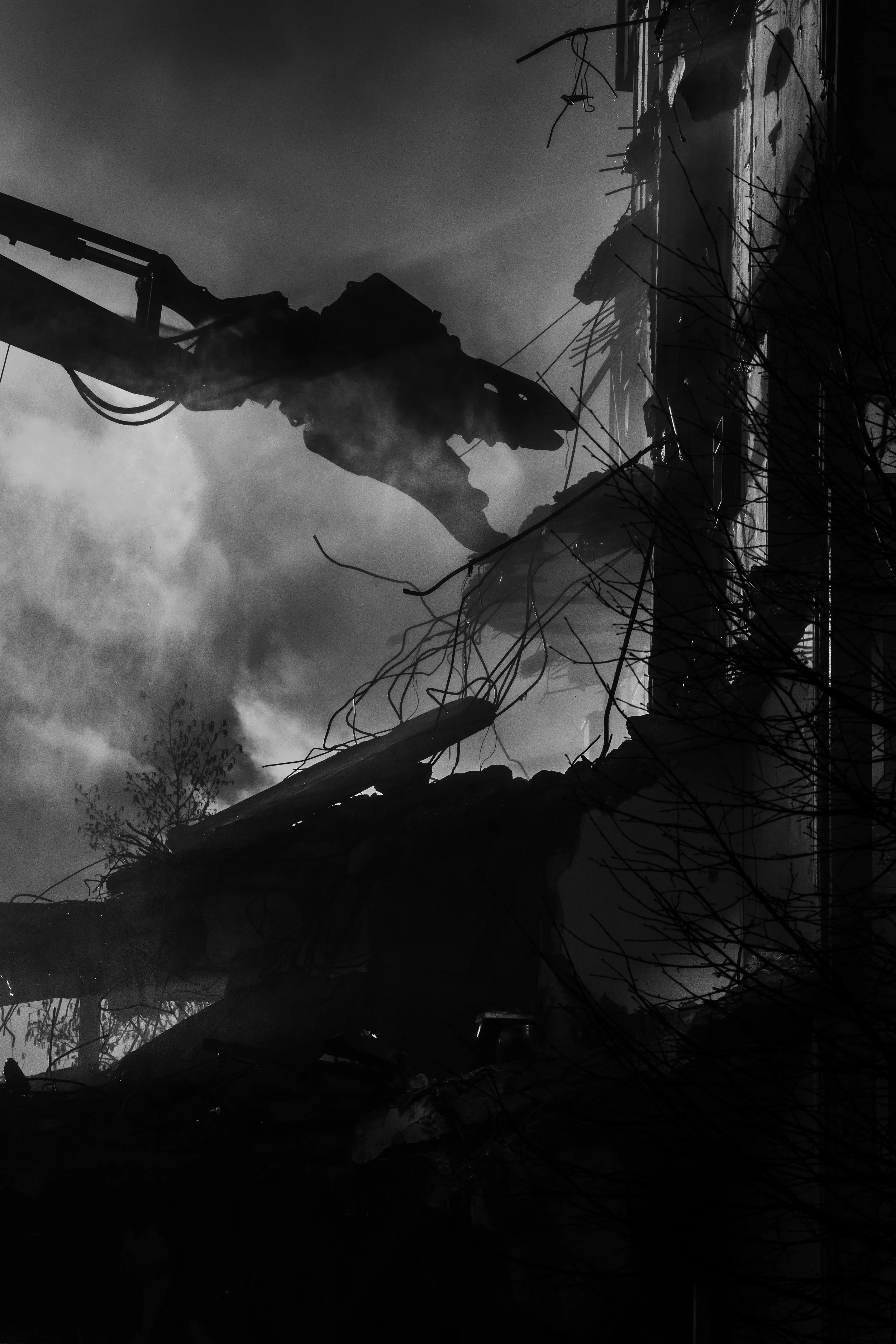
The variety of infrastructure Tonash chooses to focus on, offering a different perspective of the capital.
HAZY: Which camera do you shoot with?
TONASH: I currently shoot on a SonyA7iv with 24-105 F4 and a 70-200 f4 lens / Dji mini 3 pro drone, then an iPhone for everything I put on Instagram.
HAZY: Do you have any memories of your first camera?
TONASH: I have great memories of my first camera, given to me when my Grandad sadly passed away - it was an old 35mm Pentax film camera.
I do really miss the look and feel you get from film to be honest, and I miss waiting to get a roll of film developed to see if you got any good photos back.
I think digital has sadly changed that process - in a way, everything is so much easier and instant photography is almost too easy now.
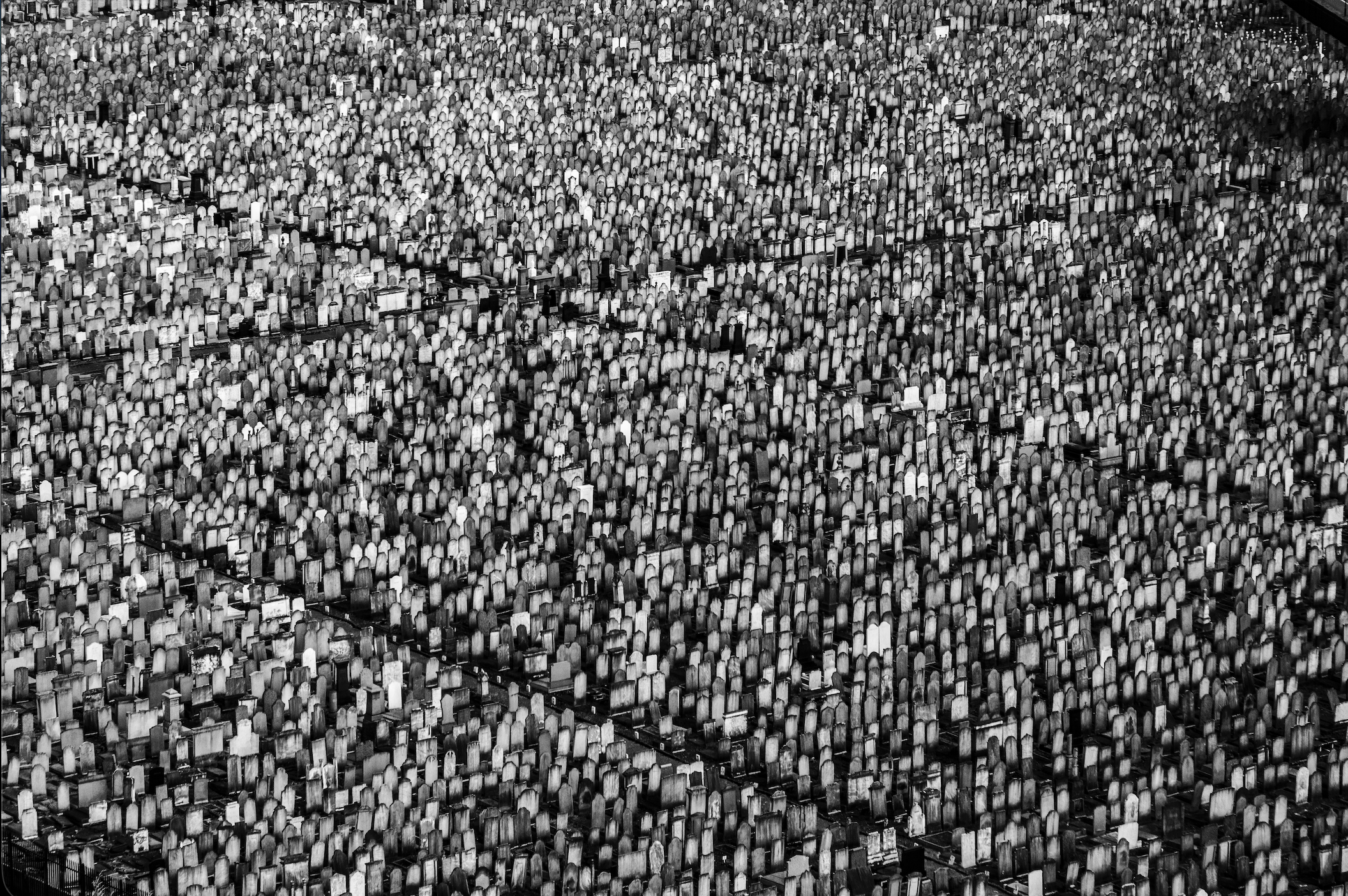
“…it really feels like they are on a mission to regenerate faster than ever at the moment. So it feels like a good point to try capture and document as much as possible.”
HAZY: What's your reasoning for using a B&W aesthetic over your photos?
TONASH: I was pretty rubbish at school and ended up doing art at college, because it was the only course I could take with no GCSE's.
I really enjoyed using charcoals, black and white paints, and inks. I wasn't too fussed about using colour. At the time, my college had a dark room we could use and after a few years, I decided I would learn how to develop some of the 35MM film that I had shot on the Pentax. I found developing colour film was more of a process and less forgiving than black and white. I wasn't any good at it, but I was glad I got to experience the process in the dark room.
I like to mostly shoot during winter months that can feel cold and miserable. I like it when there are no leaves on the trees, and the lighting is far more interesting. If you get lucky to have a bit of sun in-between the rain, it can create really moody images that I personally think lends itself well to black and white.
HAZY: Do you have a particular backstory to any of your photographs?
TONASH: Being out and about so much in London, you see a lot of crazy stuff go down. I can’t think of a particular story off the top of my head, but I’ve seen all sorts of mad stuff from heavily armed police raids, knife crime, gang related stuff, drug use and dealing everywhere, I’ve been chased, had knifes pulled on us, seen crazy people in stairwells and so on.
On the whole, people are pretty cool and when they realise you’re just there taking photos, nobody seems to mind. You just gotta keep yourself to yourself and be sound to people.
HAZY: What lessons have you learnt capturing London over the years?
TONASH: The city is forever changing. It has been tragic seeing so many interesting areas getting demolished to make way for gentrification. The lesson I have learnt is I wish I started shooting at an earlier age, because I spent a fair bit of time learning digital photography in places like the Heygate Estate / Ferrier Estate / Thamesmead and many more that have completely disappeared, but I didn't really understand how to photograph these places back then. I have a few photos from these estates, but a lot are out of focus, badly composed and taken with bad lenses. I guess that has all helped towards the way I shoot today, but I feel like I missed some of the best stuff, even though I was there looking at it! Oh well, we live and learn.
HAZY: Do you have any upcoming projects in 2026 you would like to share?
I would like to try and do a zine this year, but I’ve been saying that for last 5-6 years haha. Taking photos is more like a therapy for me, and I find it hard to do anything with the images, but I’m going to try this year 100%.
You can keep up to date with Tonash’s work on his Instagram profile below: